Post
Truthear

May
The Truthear Manifesto: Engineering the Future of Affordable High-Fidelity
In the world of luxury audio, there is a long-standing myth: to achieve “truth” in sound, one must be prepared to spend thousands of dollars on handcrafted boutique gear. For decades, the high-end audio market was guarded by high barriers to entry, mysterious marketing terms like “musicality” and “warmth,” and a lack of objective data.
Then came Truthear.
Founded in 2022 and headquartered in the rapid-fire manufacturing hub of Shenzhen, Truthear didn’t just join the market; they disrupted it with mathematical precision. By combining clinical tuning, medical-grade 3D printing, and a radical transparency regarding their specs, they have effectively ended the era of the “overpriced budget” IEM. In 2026, they stand as the definitive gateway for anyone seeking professional-grade audio without the luxury markup.
1. The Industrial Edge: Medical Technology Meets Audio
The first thing that sets Truthear apart from its competitors is their manufacturing process. While many budget brands use traditional plastic injection molding—which can lead to inconsistencies in the internal acoustic chambers—Truthear partnered with HeyGears.
HeyGears is a leader in DLP (Digital Light Processing) 3D printing, a technology primarily used to create custom hearing aids and dental prosthetics.
Acoustic Complexity: By 3D-printing their shells, Truthear can design internal structures that are physically impossible to create with traditional molds. They can guide sound waves through precise tubes and chambers to eliminate unwanted resonance before the sound ever reaches your ear.
Consistency: Because the process is digital, the thousandth unit produced is identical to the first. For an audiophile, this means the frequency response graph you see online is exactly what you get in the box.
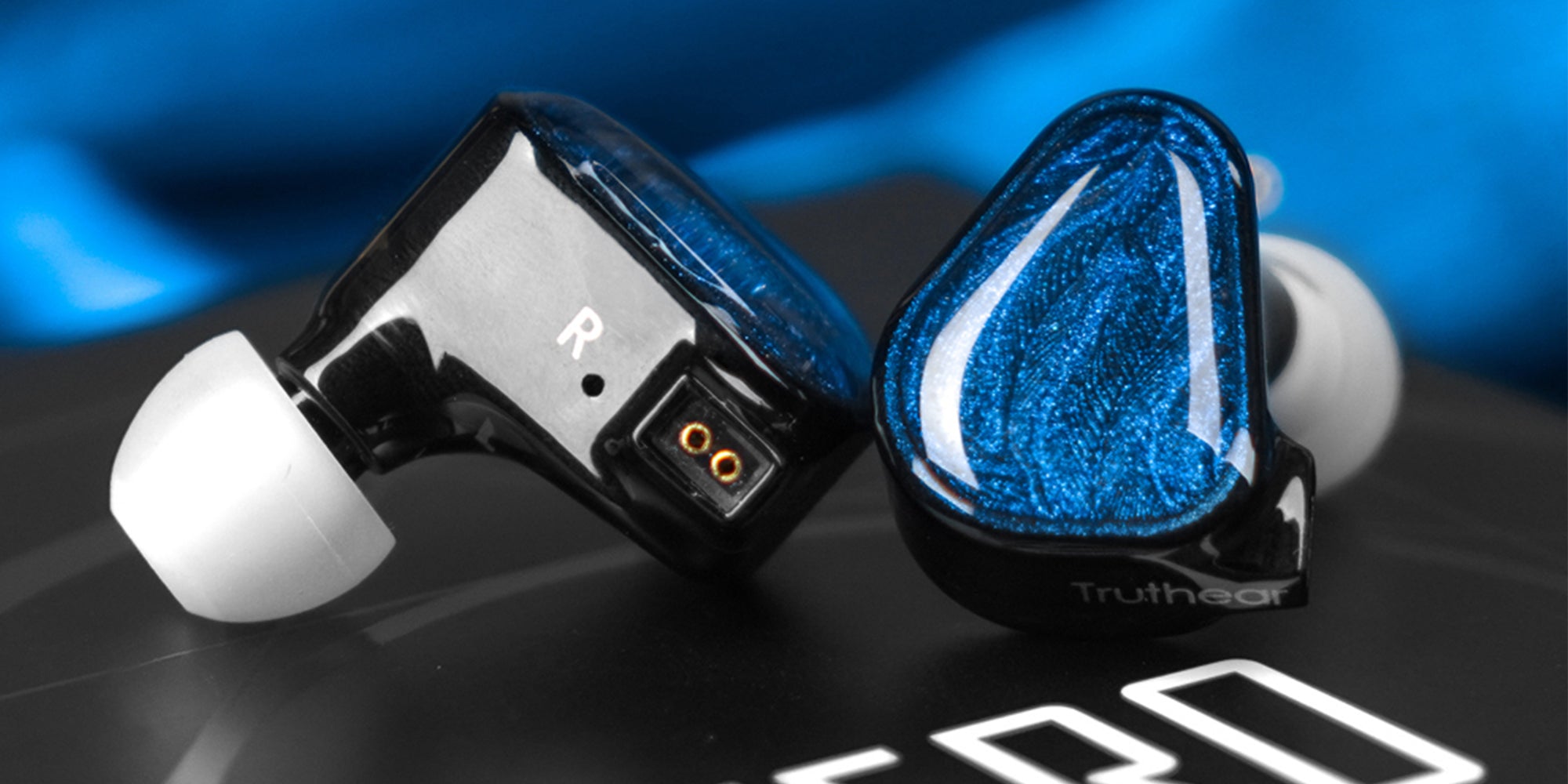
The Resin Factor: The medical-grade resin used in the Nova and Hexa isn’t just for show; it is skin-friendly, incredibly durable, and provides a density that mimics the acoustic properties of higher-end materials.
2. The Crinacle Catalyst: A Partnership of Trust
You cannot discuss Truthear’s meteoric rise without mentioning Crinacle. As the world’s most prominent IEM reviewer and frequency response database curator, Crinacle had spent years criticizing the industry’s tuning mistakes.
When Truthear collaborated with him for the Truthear x Crinacle ZERO, it sent a shockwave through the community. It wasn’t just a celebrity endorsement; it was a “Tuning by Committee” approach.
The Harman Target: The original ZERO was designed to hit the “Harman In-Ear Target,” a curve derived from scientific research into what the average listener perceives as “natural” sound.
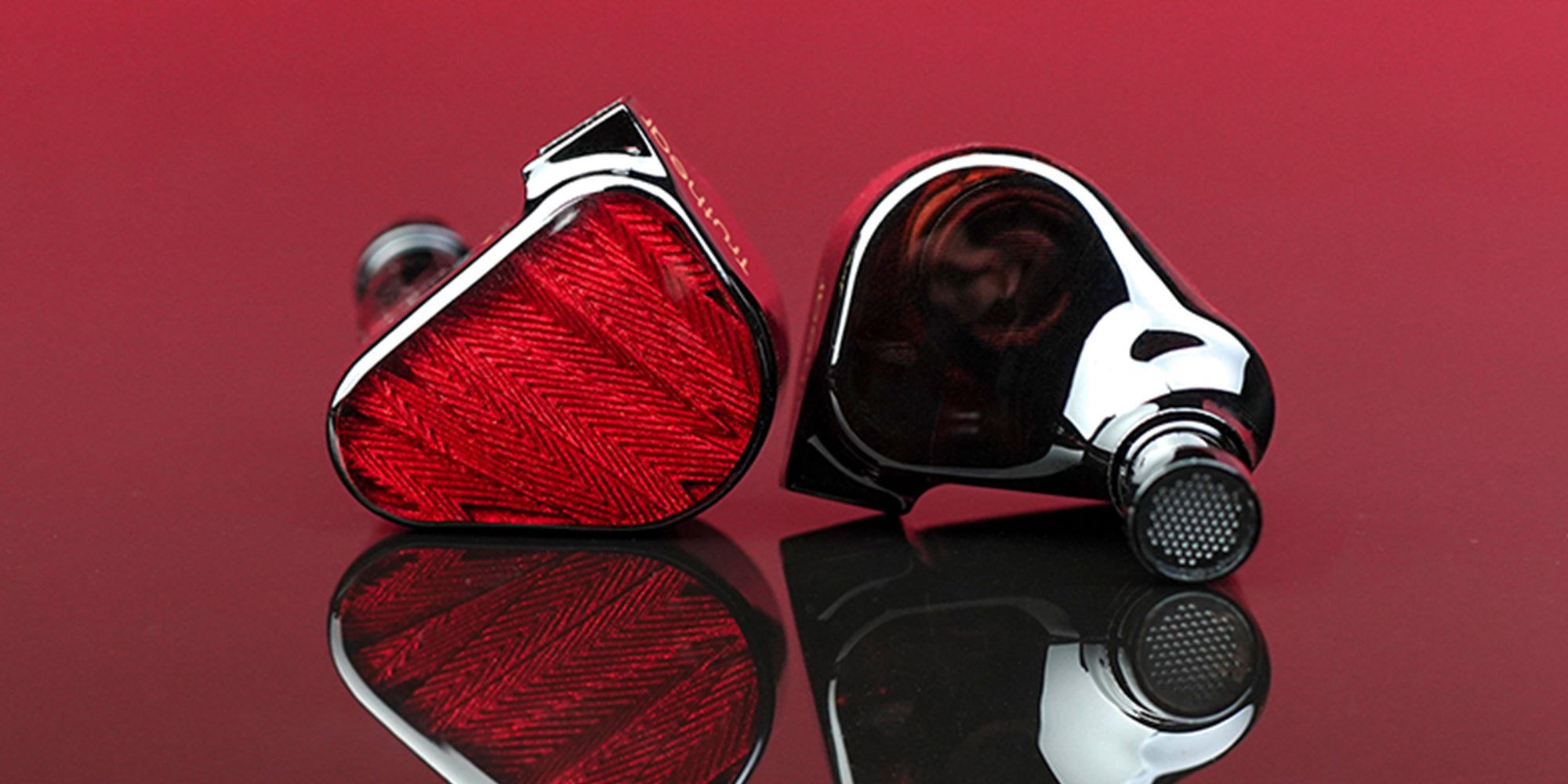
The Project RED Evolution: Following the success of the Blue ZERO, the ZERO: RED was born. This project focused on a more “neutral” signature with a dedicated subwoofer-style bass shelf. It utilized a dual-dynamic driver setup where a 10mm driver handled the rumble and a 7.8mm driver handled the clarity—a configuration that remains a benchmark in 2026.
3. The Product Hierarchy: From Entry-Level to Enthusiast
Truthear has carefully curated a “ladder” of products, ensuring that no matter where you are in your audio journey, there is a clear step forward.
I. The GATE: The New Entry Point
Replacing the legendary Hola, the Truthear GATE is the brand’s response to the $20 market.
Specs: It features a 10mm internal magnetic circuit dynamic driver with a carbon LCP (Liquid Crystal Polymer) diaphragm.
The Sound: It provides a balanced, “all-rounder” sound signature. It’s designed to be the “first real earphone” for someone moving away from free phone buds or cheap gas-station headphones. It proves that even at $20, you can have oxygen-free copper cables and a refined frequency response.
II. The HEXA: The Analytical Powerhouse
If the Zero series is about “fun,” the Hexa is about “truth.” This hybrid model (1 Dynamic Driver + 3 Balanced Armatures) is widely considered the best sub-$100 IEM for detail retrieval.
Gaming Dominance: The Hexa has found a massive second life in the eSports community. Because it lacks “bloated” bass, the sound is incredibly clear, allowing players in Valorant or Apex Legends to hear high-frequency cues like shield recharges or reloads with surgical precision.
III. The NOVA: The Smooth Flagship
The Nova (1DD + 4BA) represents Truthear’s mastery of the hybrid architecture. It targets a smooth, immersive sound that is often compared to IEMs costing $300 or more. It is the “endgame” for many budget-conscious audiophiles, offering a level of vocal intimacy and instrument layering that was previously unreachable at this price point.

4. The Philosophy of “Non-Fatiguing” Audio
A recurring theme in Truthear’s design is the concept of HRTF (Head-Related Transfer Function) optimization. Many cheap headphones boost the treble to create a “fake” sense of detail, which leads to “listener fatigue”—that sharp, piercing sensation that makes you want to take the earphones off after 30 minutes.
Truthear focuses on a smooth treble roll-off. By following the natural way the human ear perceives sound in a room, they create a signature that is detailed yet “dark” enough to listen to for hours. This focus on long-term comfort (both physical and acoustic) is why Truthear has such high brand loyalty.
5. Beyond the Ear: The Shio and the Signal Chain
Truthear realized early on that even the best IEMs can be limited by a poor source. The Truthear SHIO (and its 2026 successor, the Shio V2) is a portable DAC/Amp “dongle” that brings high-end decoding to your smartphone.
Dual Cirrus Logic Chips: By using high-end CS43198 chips, the Shio provides a “black” background—meaning zero hissing or static, even with the most sensitive earphones.
Balanced Output: Including a 4.4mm balanced output in a portable dongle allowed budget users to experience the increased power and separation once reserved for expensive desktop stacks.
6. The Aesthetic of “Waifu” Marketing
It would be remiss not to mention the “elephant in the room”: Truthear’s use of anime-inspired box art. While it may seem like a simple marketing gimmick, it serves a deeper purpose in the “Chi-Fi” ecosystem.
Collectability: Each product is associated with a specific character (like the “Nova” girl or the “Hexa” girl), turning the unboxing experience into an event.
Community Identity: It signals to the community that the brand is part of the “new wave” of audio—one that isn’t stuffy, elitist, or stuck in the 1970s. It’s a brand for the digital age, the gaming age, and the internet-savvy consumer.

7. The 2026 Competitive Landscape
As of May 2026, the market is more crowded than ever. Brands like Moondrop, 7Hz, and Tangzu are all fighting for the same ears. However, Truthear has maintained its lead by not over-releasing.
While other brands release a new IEM every month, Truthear takes their time. Each release feels like a calculated move. They don’t just “throw things at the wall”; they refine a driver configuration until it is perfect. This “quality over quantity” approach has saved them from the “burnout” that many other Chi-Fi brands are currently facing.
8. Summary: Why Truthear Wins
If you look at the data, the success of Truthear can be summarized in three points:
Objective Superiority: They provide graphs and technical data that prove their products perform as well as (or better than) legacy gear.
Structural Integrity: Thanks to the HeyGears partnership, their build quality is virtually unmatched in the sub-$100 category.
The “Price-to-Performance” Miracle: They have reset the expectations of what $20, $50, and $150 should sound like.
Final Thoughts: The Truth in the Sound
Truthear’s name is a play on “True” and “Ear,” and after four years in the industry, they have lived up to that moniker. They have stripped away the “magic” and replaced it with engineering. They have taken the “elite” out of audiophile and made it “everyone.”
Whether you are a college student looking for better music on your commute, a competitive gamer needing a tactical advantage, or a veteran audiophile looking for a reliable daily driver, Truthear is no longer just a “budget option”—they are the standard.
