Post
7 Amazing Reasons Premium Mechanical Keyboards Are the Absolute Best Choice
Jun
In the modern digital workspace, your computer peripherals are far more than just plastic accessories; they are the direct physical interface between your thoughts and your digital creations. For decades, massive computer manufacturers cut costs by bundling cheap, mushy membrane keyboards with their desktop systems. Today, a massive hardware renaissance is pushing professionals and gamers alike to demand a vastly superior typing experience. Enter the world of Premium Mechanical Keyboards.
Replacing standard rubber domes with highly engineered, individual mechanical switches completely transforms how you interact with your machine. Whether you are a competitive gamer requiring instantaneous input registration, or a dedicated software engineer spending twelve hours a day writing complex code, upgrading your primary input device is a life-changing investment. In this comprehensive hardware masterclass, we explore the spectacular engineering behind these devices and break down 7 amazing reasons why upgrading to Premium Mechanical Keyboards is the absolute ultimate choice for your desktop setup.
1. The Tactile Superiority for Complex Coding
For digital professionals, a keyboard is the absolute primary tool of the trade. When you are spending hours architecting complex backend interfaces, implementing strict object-oriented programming logic, or refining intricate Vue.js components, a standard membrane keyboard quickly leads to severe finger fatigue and frustrating typos. Membrane boards require you to “bottom out” the key completely against the plastic base to register an input, sending a harsh shockwave up your fingers.
Premium Mechanical Keyboards offer a completely different paradigm. High-quality tactile switches (like the legendary Cherry MX Browns or boutique Holy Pandas) provide a distinct, satisfying physical bump halfway down the keystroke. This bump confirms exactly when the key registers, allowing developers and writers to type significantly faster with absolute, surgical precision without ever needing to forcefully bottom out the key. This fluid typing dynamic massively reduces repetitive strain and makes long coding sessions incredibly comfortable.

2. Unmatched Durability and Build Quality
Cheap keyboards are designed to be disposable. Their internal rubber domes lose elasticity within a year, making certain keys feel stiff or unresponsive. Conversely, elite mechanical keyboards are engineered like luxury tanks. Each individual switch is rated for 50 million to 100 million keystrokes, guaranteeing decades of flawless performance without any degradation in feel.
Beyond the switches, the chassis of these premium boards is often CNC-machined from solid blocks of aerospace-grade aluminum or heavy brass, ensuring they remain completely planted on your desk during aggressive typing or intense gaming. The keycaps are forged from thick, double-shot PBT plastic, meaning the legends will never fade or develop an ugly, greasy shine over time. To understand the profound engineering history of these input devices, you can explore the extensive Wikipedia database on computer keyboard technology.
3. N-Key Rollover and Anti-Ghosting Technology
In high-stakes competitive gaming, pressing multiple keys simultaneously is an absolute necessity. Standard office keyboards suffer from hardware limitations known as “ghosting,” where pressing more than three keys at once causes the keyboard to lock up and drop inputs. If you are trying to sprint, jump, and reload simultaneously in a frantic shooter, a dropped input means instant defeat.
Premium Mechanical Keyboards feature dedicated micro-controllers that support true N-Key Rollover (NKRO). This advanced technology guarantees that every single key you press is registered independently and instantaneously by the motherboard, even if you press all 104 keys on the board at the exact same time. This flawless input recognition provides a massive tactical advantage. If you want to explore the bleeding edge of gaming input speed, read our previous deep dive on Hall Effect Keyboards.
4. Acoustic Tuning and Sound Profiles
A major, highly celebrated aspect of the premium keyboard community is acoustic engineering. The sound a keyboard makes is just as important as how it feels. Cheap plastic keyboards emit a harsh, hollow, metallic rattling noise that echoes terribly through a microphone during a video call.
High-end boards are meticulously tuned to produce deeply satisfying acoustics. Manufacturers insert thick layers of high-density Poron foam and silicone dampeners inside the case to absorb high-frequency pinging. The mechanical switches are often hand-lubricated at the factory to eliminate plastic-on-plastic scratching. The resulting sound is a deep, resonant “thock” or a crisp, clean “clack” that sounds incredibly professional and luxurious.
5. Endless Customization and Hot-Swappability
The absolute greatest joy of owning a premium mechanical board is the ability to tailor it to your exact preferences. Many modern flagship models feature Hot-Swappable printed circuit boards (PCBs). This brilliant engineering allows you to pull out the mechanical switches using a small tool and simply plug new ones in without any dangerous soldering.
If you get tired of loud, clicky switches, you can instantly swap the entire board to smooth, silent linear switches in under 15 minutes. You can also completely change the visual aesthetic of your desk by swapping out the keycaps to match your favorite color themes or desktop wallpaper, turning your keyboard into a dynamic piece of functional art.
6. Ergonomic Form Factors
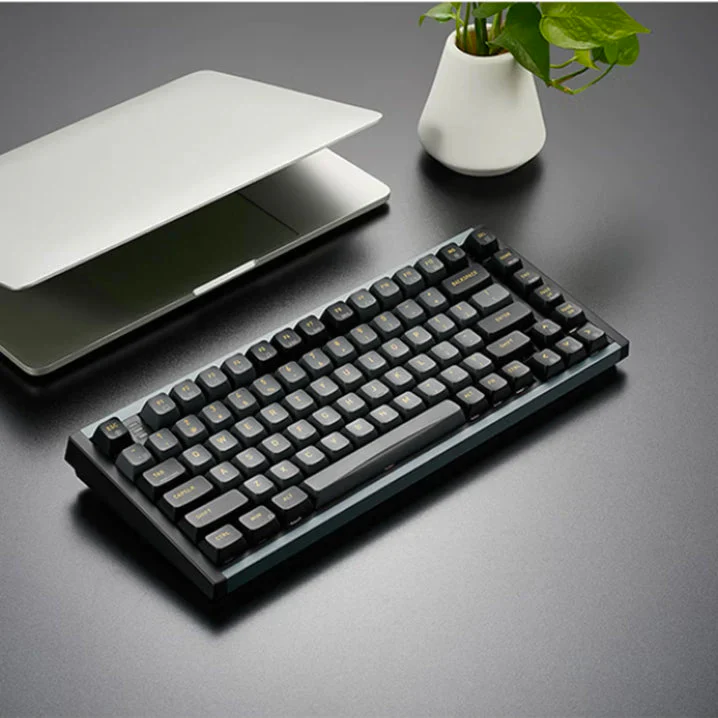
Standard 104-key layouts are massive and force your mouse hand into an unnatural outward angle, causing shoulder pain. Premium Mechanical Keyboards popularize compact, highly efficient form factors like Tenkeyless (TKL), 75%, and 65% layouts. By removing the bulky, rarely used number pad, these smaller boards bring your mouse much closer to the center of your body.
This ergonomic alignment significantly reduces shoulder strain during marathon sessions and frees up massive amounts of real estate on your desk for broad, aggressive mouse movements during competitive gaming.
7. Completing Your Elite Battle Station
An elite, highly tuned keyboard is the foundational anchor of a premium desktop setup, but it requires equally advanced companions to truly maximize your digital potential. If you are upgrading your typing experience to an absolute premium standard, you must upgrade your tracking hardware as well. We highly recommend exploring our comprehensive Ultimate Wireless Gaming Mouse Guide to find the perfect low-latency partner for your new mechanical setup.
Frequently Asked Questions
Are mechanical keyboards too loud for an office environment?
They can be if you choose the wrong switches! “Clicky” switches (like Cherry MX Blues) are extremely loud and not suitable for open offices. However, if you select “Silent Linear” or “Silent Tactile” switches, which have built-in rubber dampeners on the internal stems, a premium mechanical keyboard can actually be significantly quieter than a cheap laptop keyboard.
What is the difference between ABS and PBT keycaps?
ABS is a cheaper, softer plastic that develops a shiny, greasy look over time and has a higher-pitched sound. PBT is a much denser, premium plastic that resists wear, retains a slightly textured matte finish for years, and produces a deeper, much more luxurious acoustic sound when typing.
Conclusion
In summary, transitioning to Premium Mechanical Keyboards is an absolutely phenomenal, life-changing upgrade for any professional coder, writer, or gamer. By delivering surgical tactile precision, indestructible aerospace-grade build quality, and deeply satisfying acoustic tuning, these input devices transcend the concept of a basic peripheral and become a highly personalized luxury instrument. Stop settling for fatiguing rubber domes and elevate your daily digital interaction today by exploring the elite keyboard collections available at the BTCGO hardware boutique.
